How to Hide TV Cables Safely — and the Code Violations That Can Create Fire Hazards
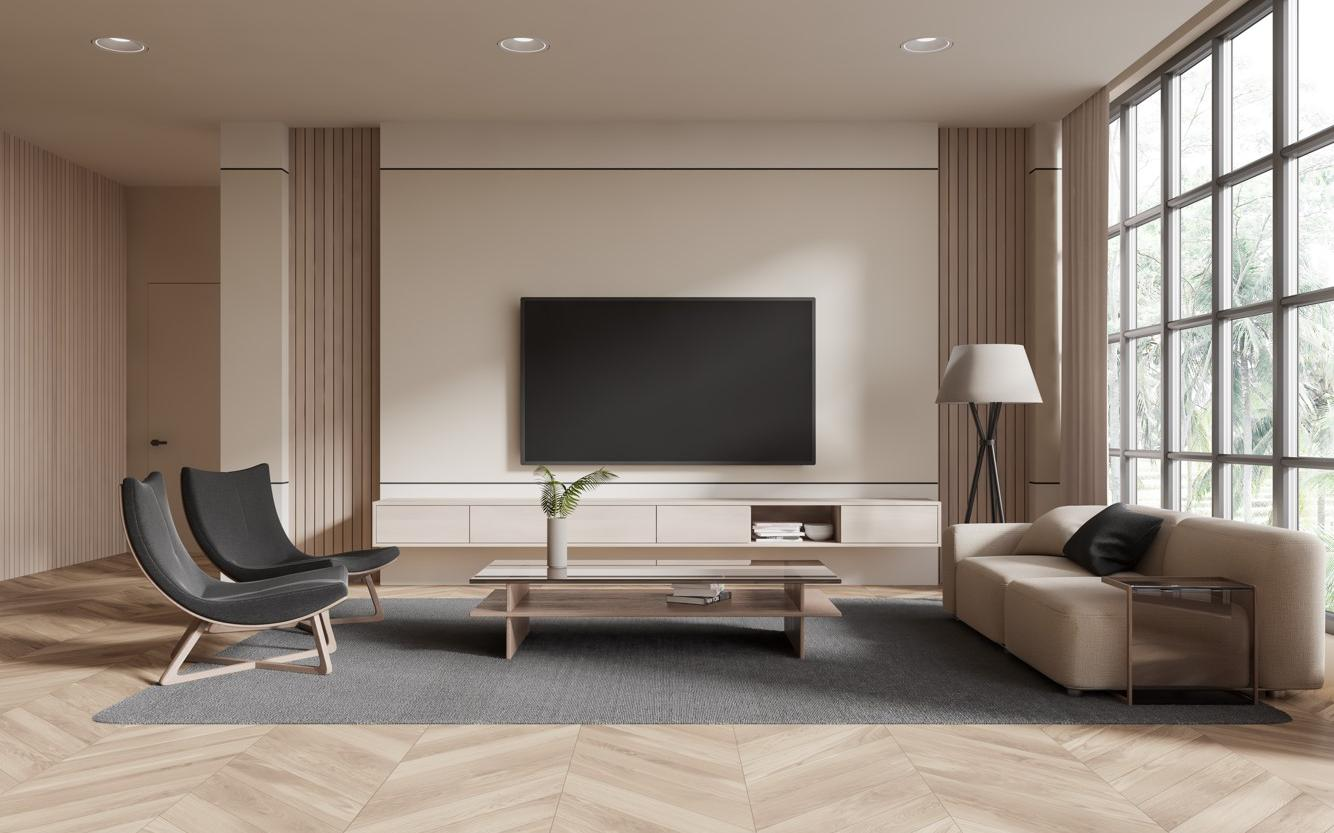
Nothing ruins the clean look of a wall-mounted TV faster than a bunch of cables dangling down the wall. We've all seen those sleek setups in magazines or showrooms, with no wires in sight, and wondered how to pull it off at home. The good news is there are several ways to hide TV cables effectively. The bad news? Some popular DIY tricks are outright dangerous and violate electrical codes, potentially turning your home into a fire risk.
Let's break down the safe, code-compliant options, the common mistakes that can lead to real hazards, and why bringing in a professional TV mounting service often makes the most sense for a truly worry-free result.
The Big No-No: Running Your TV's Standard Power Cord Through the Wall
This is the mistake I see most often online. People cut two holes in the drywall—one behind the TV and one lower near an outlet—then fish the TV's factory power cord straight through the wall cavity. It looks amazing when done, but it's a serious violation of the National Electrical Code (NEC Article 400.12).
Standard power cords aren't rated for in-wall use. They're flexible for convenience, but that thinner insulation can't handle the heat buildup inside a enclosed wall space. If the cord gets pinched, damaged during installation, or overheats over time, it can spark a fire that's hidden until it's too late. Insurance companies often deny claims for fires traced to code violations like this.
The same goes for regular extension cords—don't do it. It's not worth risking your home over a clean look.
Safe Ways to Hide Power and Signal Cables
For low-voltage cables like HDMI, Ethernet, speaker wire, or coaxial—those are generally fine to run through the wall. They're CL2 or CL3 rated for in-wall installation and don't carry enough current to pose a fire risk.
The cleanest, most professional solution combines both:
Other renter-friendly tricks include bundling cords behind furniture, using decorative boxes or fabric panels to conceal them, or even routing them through baseboard channels.
Why Professionals Get It Right Every Time
Even with the best kits, things can go wrong in real homes. Hidden fire blocks, unexpected wiring, plumbing, or insulation can snag cables or force unsafe paths. Drilling blindly risks hitting live wires—creating shocks or worse.
That's where professional TV installers shine. They use stud finders that detect electrical lines, flexible drill bits for clean routing, and always follow NEC guidelines. Many include full cable concealment in their service, using top-quality power kits, hiding everything perfectly, and leaving your space spotless. Plus, their work is guaranteed and insured—if something ever goes wrong, you're covered.
The cost? Often comparable to buying tools and kits yourself, but with zero risk and a flawless finish.
Wrapping It Up
Hiding TV cables safely isn't hard when you stick to code-approved methods like power bridge kits for electricity and proper routing for signals. Skip the shortcuts—no matter how tempting those viral hacks look—and you'll enjoy that modern, clutter-free setup without any hidden dangers.
If you're ready for a truly professional result, search for TV mounting and cable concealment services near me. It's one home upgrade you'll never regret.
Nothing ruins the clean look of a wall-mounted TV faster than a bunch of cables dangling down the wall. We've all seen those sleek setups in magazines or showrooms, with no wires in sight, and wondered how to pull it off at home. The good news is there are several ways to hide TV cables effectively. The bad news? Some popular DIY tricks are outright dangerous and violate electrical codes, potentially turning your home into a fire risk.
Let's break down the safe, code-compliant options, the common mistakes that can lead to real hazards, and why bringing in a professional TV mounting service often makes the most sense for a truly worry-free result.
The Big No-No: Running Your TV's Standard Power Cord Through the Wall
This is the mistake I see most often online. People cut two holes in the drywall—one behind the TV and one lower near an outlet—then fish the TV's factory power cord straight through the wall cavity. It looks amazing when done, but it's a serious violation of the National Electrical Code (NEC Article 400.12).
Standard power cords aren't rated for in-wall use. They're flexible for convenience, but that thinner insulation can't handle the heat buildup inside a enclosed wall space. If the cord gets pinched, damaged during installation, or overheats over time, it can spark a fire that's hidden until it's too late. Insurance companies often deny claims for fires traced to code violations like this.
The same goes for regular extension cords—don't do it. It's not worth risking your home over a clean look.
Safe Ways to Hide Power and Signal Cables
For low-voltage cables like HDMI, Ethernet, speaker wire, or coaxial—those are generally fine to run through the wall. They're CL2 or CL3 rated for in-wall installation and don't carry enough current to pose a fire risk.
The cleanest, most professional solution combines both:
- Use an In-Wall Power Extension Kit (Power Bridge) These UL-listed kits are designed specifically for this. They include two recessed boxes: one with a plug-in outlet behind the TV, and one lower down with an inlet. A pre-wired, in-wall-rated Romex cable connects them safely (no exposed flexible cord inside the wall). You plug your TV's cord into the top outlet and the kit's cord into a nearby existing outlet below. It's code-compliant, easy for DIYers with basic tools, and gives that floating-TV magic.
- Low-Voltage Passthrough Plates For just signal cables, brushed wall plates with openings let you fish HDMI and other wires neatly from behind the TV down to your components.
- On-Wall Raceways or Cord Covers If cutting into drywall isn't an option (like in rentals), paintable plastic channels stick or screw to the wall surface. They're quick, reversible, and can hide everything—including power cords safely on the outside.
Other renter-friendly tricks include bundling cords behind furniture, using decorative boxes or fabric panels to conceal them, or even routing them through baseboard channels.
Why Professionals Get It Right Every Time
Even with the best kits, things can go wrong in real homes. Hidden fire blocks, unexpected wiring, plumbing, or insulation can snag cables or force unsafe paths. Drilling blindly risks hitting live wires—creating shocks or worse.
That's where professional TV installers shine. They use stud finders that detect electrical lines, flexible drill bits for clean routing, and always follow NEC guidelines. Many include full cable concealment in their service, using top-quality power kits, hiding everything perfectly, and leaving your space spotless. Plus, their work is guaranteed and insured—if something ever goes wrong, you're covered.
The cost? Often comparable to buying tools and kits yourself, but with zero risk and a flawless finish.
Wrapping It Up
Hiding TV cables safely isn't hard when you stick to code-approved methods like power bridge kits for electricity and proper routing for signals. Skip the shortcuts—no matter how tempting those viral hacks look—and you'll enjoy that modern, clutter-free setup without any hidden dangers.
If you're ready for a truly professional result, search for TV mounting and cable concealment services near me. It's one home upgrade you'll never regret.